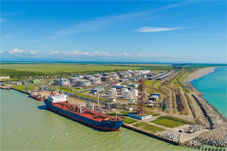
EU Excludes Georgia's Kulevi Port from Latest Russia Sanctions
By Messenger Staff
Wednesday, March 11, 2026
The European Union has decided to exclude Georgia's Kulevi Port from its upcoming 20th sanctions package against Russia. The move follows a series of discussions between European officials, Georgian authorities, and the State Oil Company of the Azerbaijan Republic (SOCAR), which operates the port.
The decision was detailed in a letter sent on the 5th of March from EU sanctions envoy David O'Sullivan to Georgian Dream Foreign Minister Maka Botchorishvili. According to the document, the port was originally under scrutiny for its involvement in moving Russian oil and hosting tankers from the so-called shadow fleet.
"The Kulevi Port located in Georgia was initially proposed for possible inclusion in the 20th sanctions package due to its role in the maritime transport of Russian oil and port calls by shadow fleet tankers," O'Sullivan wrote. He noted that the EU changed its mind after receiving "positive commitments" from both the Georgian government and the port operator.
The Kulevi facility has recently faced criticism, particularly after Russian oil company Russneft sent its first shipment to a newly opened refinery at the site last October. While local officials insisted the trade was legal, some observers expressed concern that the port could be used to disguise the origin of Russian energy exports.
To address these concerns, Georgian officials and SOCAR provided assurances that they would strictly follow international trade restrictions.
"I welcome your commitment that Georgia will not allow EU-sanctioned vessels to enter its ports or receive services and SOCAR's commitments that it will conduct its activities in strict compliance with relevant EU sanctions, including by respecting the price cap and EU's imports bans on Russian crude oil and of refined products made from such oil," the letter stated. O'Sullivan added that these promises were "critical" to the EU's review of the situation.
The EU envoy also recognized Georgia's recent move to block the vessel Truvor from docking at a national port after consulting with the European Commission. Despite removing the port from the sanctions list, the EU remains focused on preventing the flow of sensitive technology and industrial goods to Russia. The letter mentioned that stopping the re-export of "Common High Priority" items remains a major goal for Brussels.
"Your commitment to prevent circumvention of EU sanctions through the territory of Georgia will be monitored closely going forward, and we stand ready to act if necessary to ensure that our sanctions are not undermined," O'Sullivan warned.
The broader 20th sanctions package has been delayed in Brussels as member states, such as Hungary and Slovakia, continue to negotiate over the inclusion of specific individuals on the blacklist.