Georgian Dream Proposes Adjustments to Restrictive Law on Grants
By Messenger Staff
Wednesday, April 8, 2026
The ruling Georgian Dream party has introduced new amendments to the Law on Grants, seeking to clarify which foreign funds require government approval. The proposal, discussed in the Legal Issues Committee on April 7, aims to exempt certain funds disbursed by diplomatic missions and international organizations from the recently expanded definition of a foreign grant.
The move follows a highly controversial legislative package adopted on March 4. That initial law significantly broadened the scope of what constitutes a grant, including technical assistance and transfers from foreign entities to their local branches. It also introduced criminal penalties of up to six years in prison for violations of the approval process.
Under the new proposal, funds from accredited diplomatic missions, consular offices, and international organizations will not be classified as grants if they are used for activities arising from the "political or public interests" of a foreign government. The ruling party stated that these revisions are necessary to ensure a "uniform interpretation" of the law, arguing that diplomatic missions naturally operate to advance the interests of their home states.
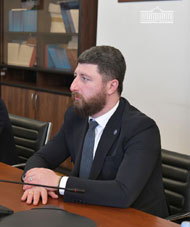
Archil Gorduladze, Chair of the Legal Issues Committee, clarified that routine embassy operations, such as hiring staff or promoting their home country in accordance with the Vienna Convention, do not require government agreement. However, he emphasized a strict distinction: if an embassy provides funds to any individual or organization intended to shape Georgian policy or influence public opinion, those funds remain classified as grants and must receive state approval.
Legal experts and civil society leaders have criticized the amendments, suggesting they are a reaction to poorly drafted and overly broad legislation. Nona Kurdovanidze, former head of the Georgian Young Lawyers Association (GYLA), argued that the law remains among the most poorly written in the country's history, noting that even with the new changes, the text is open to multiple interpretations.
Other observers, including lawyer Nika Simonishvili, suggested that the March amendments were so expansive they inadvertently captured commercial services and standard financial flows not originally targeted by the government. Simonishvili noted that while the government is now attempting to carve out exemptions for diplomatic missions, the primary target of the law remains independent civil society and media organizations.
The original March 4 legislation drew sharp international condemnation for its potential to stifle civic and political activity. In addition to the grant regulations, that package criminalized external lobbying, imposed new restrictions on political activities and businesses, and introduced penalties for acts aimed at creating a perception of government illegitimacy. The new bill is currently being considered under an expedited procedure as the Georgian Dream government moves to finalize the regulatory framework for foreign funding.