Prepared by Messenger Staff
Fuel Shortage Hits Russian-Occupied Abkhazia
Abkhazia is facing a shortage of gasoline and diesel as fuel supplies from Russia have been disrupted, the region's de facto authorities said.
The disruption has been linked to Ukrainian attacks on Russian oil refineries and other energy facilities.
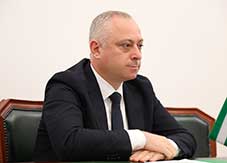
The de facto Abkhaz leader Badra Gunba discussed the shortage with members of his administration, acknowledging that some drivers were waiting for hours at gas stations.
"Unfortunately, these circumstances do not depend on the government," Gunba said.
De facto Energy Minister Batal Mushba said on August 10 that about 1,500 tons of gasoline remained in Abkhazia and that additional supplies from Russia were expected in the coming days.
Authorities are also seeking alternative suppliers, including by sea. Gunba said talks were underway with potential suppliers in other countries but that the situation in the Black Sea was creating logistical problems.
"We are taking measures to import fuel from other directions, including from other countries, including by sea," Gunba said. "There are logistical difficulties, but work does not stop."
The Telegram channel AMPA-life reported that talks were also underway with Turkey, but said some conditions set by the Turkish side were "unacceptable."
Georgian PEN Center Condemns Prison Refusal To Allow Novel
The Georgian PEN Center has condemned a prison's refusal to allow an inmate to read a novel by Georgian writer Lasha Bughadze, calling it censorship.
"PEN Georgia believes this is an alarming case of censorship of a literary work," the organization said in a statement on Tuesday. It said the decision appeared to be linked not only to the novel's content but also to Bughadze's "political and civic stance."
"Censorship of fiction, as an attempt to restrict expression, is unacceptable in a democratic society," PEN Georgia said.
Baia Pataraia, head of the human rights organization Safari, said her group would challenge the decision through legal channels.
"We are starting to take legal steps. Let's see if censorship of literature begins in prison and the courts. First, we will demand a reasoned refusal in writing," Pataraia wrote on Facebook.