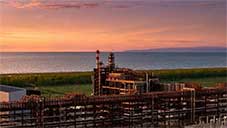
Kulevi Refinery Says It Has Stopped Processing Russian Crude
By Messenger Staff
Monday, September 7, 2026
Black Sea Petroleum, which runs the Kulevi Oil Refinery, said on September 1 that the facility has been running only on non-Russian oil since August 23. The refinery was conditionally added to the EU's Russia sanctions list in July as part of the bloc's 21st sanctions package.
The announcement follows a pledge the company made after that listing, which set a six-month window before a transaction ban takes effect unless the EU reassesses. Black Sea Petroleum said the switch came after a transition period in July and early August, when it ran Kazakh oil alongside Russian crude before phasing the latter out entirely.
The company said the tanker KRITI LEGEND brought its first Libyan crude shipment into Kulevi port on August 30, a cargo of up to 90,000 tonnes under a long-term supply deal signed July 3. Back in July, the company had said it planned to move entirely off Russian crude by August or September, framing it as a way to gain access to more profitable markets abroad.
The refinery opened in 2024 and was billed by Georgian officials as the biggest private investment in the country since independence. It first drew attention in October 2025, when Russian firm Russneft sent it a cargo of crude, and has since faced questions over whether it functions as a route for Russian oil to reach European markets relabeled under Georgian origin, a concern fueled by reporting on the issue and a jump in Georgia's oil export figures.
The port at Kulevi, run by Azerbaijan's SOCAR, has faced similar scrutiny. The EU weighed adding it to a sanctions package in March 2026 but held off after Georgian officials and the port operator made commitments the bloc considered sufficient.
July's move made Kulevi the first Georgian entity ever listed under EU sanctions tied to Russia's invasion of Ukraine. The Council of the EU said the sanctions framework lets it block transactions with refineries, whether in Russia or elsewhere, that process Russian crude, and that the ban on Kulevi specifically will kick in after six months. The European Commission said that delay is meant to give the refinery time to move away from Russian oil, after which the Council will decide whether keeping it listed is still warranted.